Traumatic Brain Injuries
Traumatic brain injury (TBI) results from an external impact to the head, such as a fall or road accident. Symptoms range from mild concussion to severe impairment of movement, memory, and behaviour.
HOW WE CAN HELP
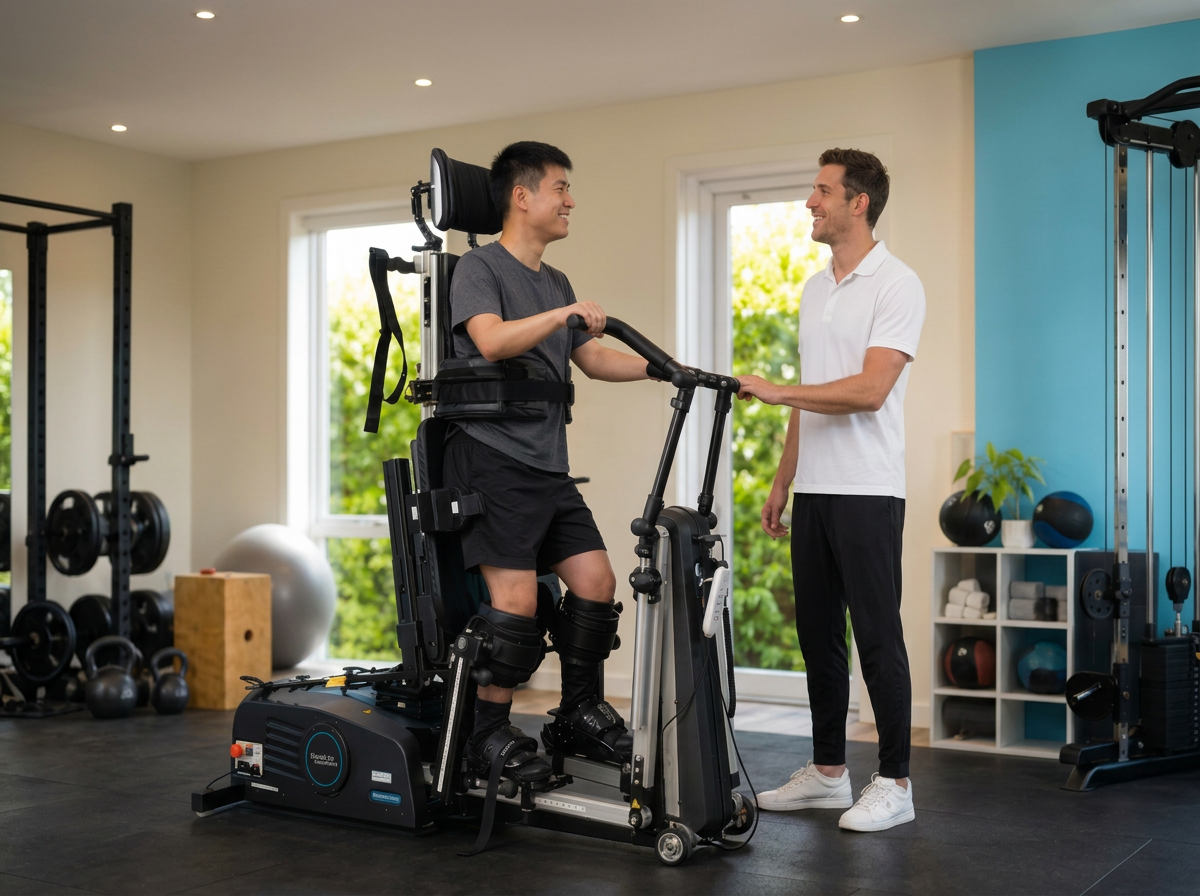
Following a brain injury, physiotherapy can support recovery of movement, strength, balance, coordination and confidence. Depending on your needs, we can help with:
Walking and mobility
Balance and reducing falls risk
Weakness and reduced movement
Spasticity and changes in muscle tone
Transfers and getting in and out of bed or chairs
Fatigue and reduced exercise tolerance
Positioning and posture
Equipment and mobility recommendations
Building independence in everyday activities
Training and guidance for family members, carers and support workers
PHYSIOTHERAPY IN YOUR OWN ENVIRONMENT
Rehabilitation after a brain injury is most meaningful when it relates directly to everyday life. Working with you at home and in the community allows us to practise the activities that actually matter — whether that is managing stairs, moving safely around the house, getting in and out of a car, walking outdoors or returning to hobbies and community activities.
We can also work closely with family members, carers and the wider rehabilitation team so that strategies are consistent and rehabilitation continues beyond individual treatment sessions.
YOUR FIRST APPOINTMENT
Your physiotherapist will take time to understand your injury, current difficulties and what you would most like to achieve.
The assessment may include looking at your movement, strength, balance, walking, transfers, posture and functional abilities. We will then agree meaningful goals with you and, where appropriate, your family or wider rehabilitation team, before recommending a personalised treatment plan.
NOT SURE WHERE TO START?
If you’d like to find out whether neurological physiotherapy could help you or someone you care for, we’re happy to talk things through.